These days, Office Workstation Manufacturers energize the very essence of working in modern office spaces through their innovation that goes far from the customary furniture and appeals to intelligent modular ecosystems. They envision and manufacture adaptable workstation solutions that pave the way for hybrid working models, quick organizational growth, and tech-savvy environments. Their strategy revolving around flexibility, ergonomics, and saving at the long-run turns modular offices into the winning solution of enterprises looking for productivity, scalability, and visual consistency under one integrated system.
Change of Fixed Furniture to Modular Ecosystems
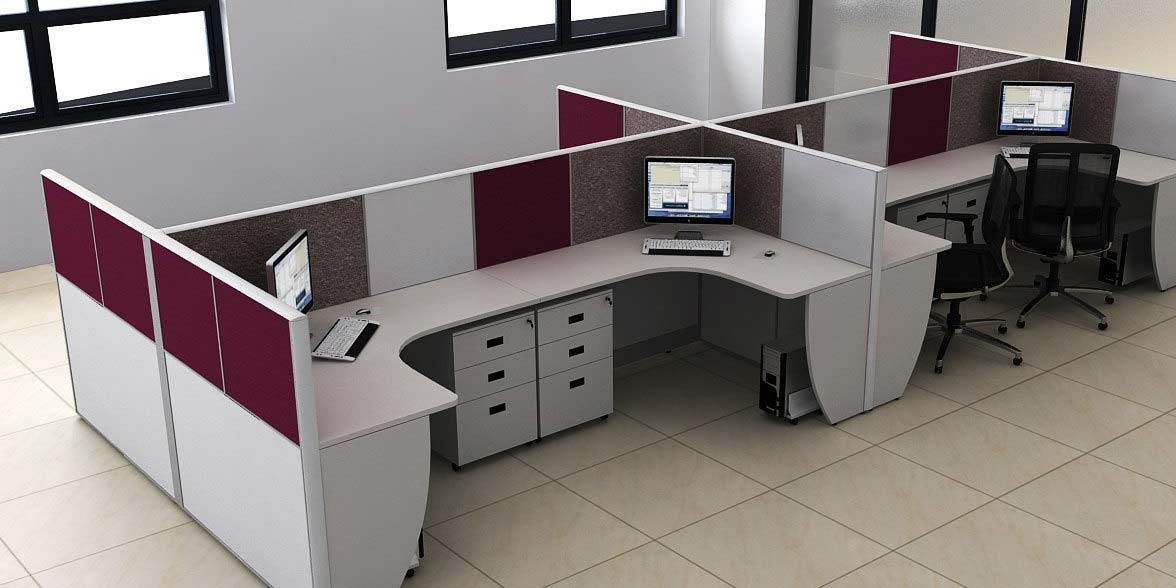
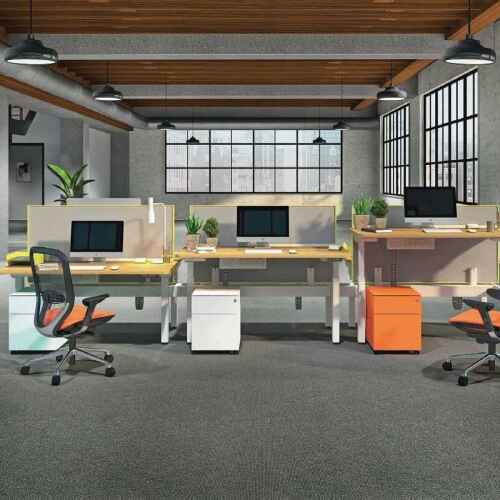
Modern offices are no longer satisfied with the provision of static desks and chairs. Manufacturers dealing with modular solutions turn their products into interconnected systems which give businesses the freedom to change their layout without the need to replace entire setups. The ecosystems they construct utilize the same basic components to facilitate the creation of collaborative zones, individual focus areas, and shared spaces. Implementation of this design principle lessens the time that can be used for other activities apart from work, decreases the expenses of the office renovation, and guarantees that offices stay flexible as they respond to changes in workforce requirements.
Scalability That Grows with the Organization
Modular office systems top 1 strongest point is probably their scalable ability. When teams grow or restructure, they can simply extend, rearrange, or repurpose their modular workstations without any interruption in operations. Thus, this flexibility gives companies the freedom to plan their growth without having to commit to layouts that will become outdated.
Modular office systems are scalable like this:
- It is possible to increase seating without the need of replacing base structures by means of expandable desk clusters.
- Reconfigurable layouts can support both individual and collaborative work.
- Layout changes can be done with minimal downtime, thus no need for structural modifications.
Integrated Technology and Smart Cable Management
Workstations nowadays are built to support intensive technology use without losing their neat and organized look. Modern modular systems have provision for wiring channels, power access points, and routing of data cables that are all concealed. All these are done to get rid of the mess and to promote safety besides providing easy accessibility for maintenance and upgrading. Furniture manufacturers who offer such integrated solutions are in line with the changing digital infrastructure and thus mainlining of workspaces even in the future when technology requirements will have increased.
Vertical Optimization for Space Efficiency and Privacy
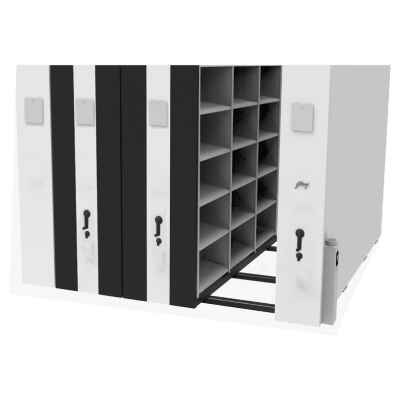
Where floor space is of utmost importance, such as in high-end commercial areas, it is absolutely necessary to use the floor space efficiently. Modular systems, through the vertical space, can integrate privacy screens, acoustic panels, and storage solutions straight into the frames of workstations. This method, apart from the removal of additional furniture needs, leads to employee focus and better organization.
Some of the benefits of vertical optimization are the following:
- Sound-absorbing panels that reduce workplace noise
- Storage that is built-in so as to allow the floor to be free
- Privacy that is enhanced without the use of permanent partitions
Ergonomics as a Core Design Principle
Ergonomic design is one feature that has to be present in offices, especially those of the modern type. The leading manufacturers make the research process their priority and dedicate a lot of resources to it in order to comply with the worldwide standards of ergonomics and the expectations of employee wellness. The implementation of adjustable height desks, the optimization of work surface depths, and the use of postures that are supported by the seating layouts are some of the ways through which fatigue can be reduced and productivity increased. This commitment to ergonomics is the reason why modular offices not only look trendy but also become a source of employees' health and their ability to perform in the long run.
Leading Sustainability and Long-Term Value
Sustainability has become the main reason for changes in the style of modular office. Now manufacturers are more willing to use recyclable materials, powder-coated metals, and modular components that may be replaced individually rather than the whole workstation. With a circular design approach, the amount of waste that results from the operations is reduced significantly while the company lowers the possession costs to the customer gradually. Simplex Furniture, Modular Workstation Manufacturers recognized with, is moving in the same direction as this next-generation mindset by offering infrastructure solutions that focus on longevity, flexibility, and the use of materials in a responsible way. The synchronization of such positioning provides that the modular office space turns into an eco-friendly and cost-efficient model during the extensive operational cycles.
Consistency in Seating and Workspace Integration
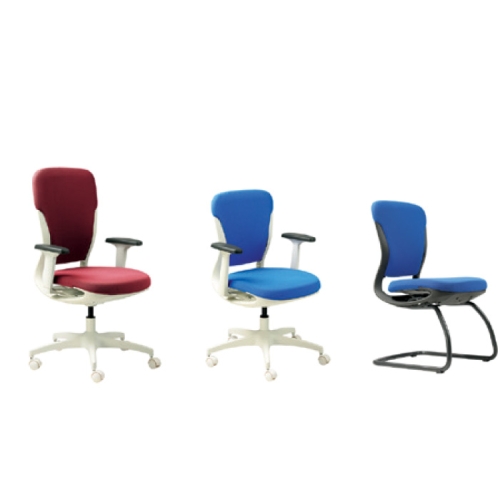
A carefully planned modular office means the provision of chairs for the desks that are also a part of the overall design. Matching furniture systems guarantee decor and functionality from the same viewpoint across the entire organization. The firm is likewise illustrating this thorough method by being associated with Office Chairs Manufacturers. We are stressing the relationship between the workstation and the seat for the smooth planning of the workspace. Such union promotes regular visual appeal, easy and effective movement, and even comfort of great office spaces.
Why Businesses Prefer Modular Workstation Experts
Essentially, companies are turning to specialized manufacturers who not only provide products but complete solutions. These companies, like Simplex Furniture, are experts in the areas of planning, customization, scalability, and long-term support, thus ensuring that offices continue to be efficient as the operational demands change.
The benefits are:
- Faster implementation timelines
- Lower renovation and expansion costs
- Future-ready layouts aligned with hybrid work culture
Conclusion
The office of today requires features such as flexibility, efficiency, and employee, centric design, which are all traits of modular systems made by experienced manufacturers. By integrating scalability, ergonomic innovation, technology, and sustainability, these solutions help to foster work environments that change with business goals. The right manufacturing expertise is the guarantee that modular offices will be productive, adaptable, and visually cohesive in the long run.