Walk into any office that has been thoughtfully furnished, and you feel the difference before you consciously process it. The space feels organised, purposeful, and somehow easier to concentrate in. That is not a coincidence. It is the result of deliberate decisions about how the environment is designed and equipped. Office Furniture Manufacturers in Delhi have become increasingly sophisticated in how they approach workspace solutions, and companies like Simplex Furniture have helped businesses across industries understand that the right furniture does not just fill a room. It actively shapes how people work, how teams collaborate, and how clients perceive the organisation from the moment they walk through the door.
Why the Workspace Environment Affects Performance More Than Most Realise
Most business owners think about furniture as a one-time procurement decision. Buy desks, buy chairs, arrange them sensibly, and move on to more pressing concerns. What that framing misses is the ongoing relationship between the physical environment and the people working in it every single day. Poorly designed workstations create physical discomfort that accumulates into reduced productivity and increased absenteeism over time. Inadequate storage creates clutter that fragments attention and makes people feel subtly overwhelmed even when workloads are manageable. Layouts that do not support how teams actually collaborate create friction that slows decision-making and communication. Getting the furniture right is not about aesthetics. It is about removing physical obstacles to the performance the business needs from its people.
The Shift From Standard Offices to Purposefully Designed Workspaces
The way offices function has changed significantly over the past decade, and the furniture needs to reflect that change. Fixed individual workstations in rigid rows made sense when work was primarily individual and sequential. Modern work is more fluid, more collaborative, and more varied in its demands throughout a single working day. Here is what that shift requires from a well-designed workspace:
- Dedicated focus zones where individuals can work without interruption on tasks that require sustained concentration.
- Collaborative areas with furniture configurations that support group discussion, whiteboarding, and informal team interaction without requiring a formal meeting room booking.
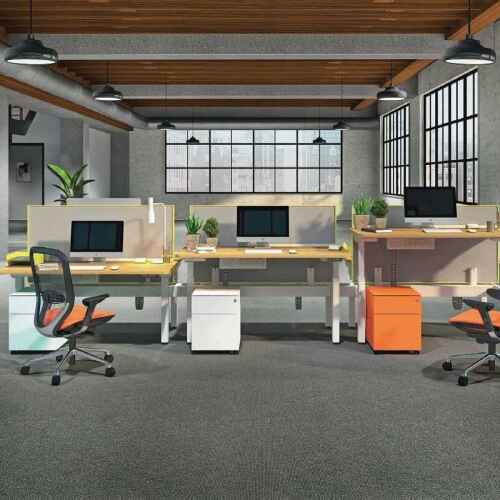
- Flexible workstation arrangements that can be reconfigured as teams grow, shrink, or change in their working patterns without requiring a full office refit.
- Reception and client-facing areas that communicate the organisation's values and standards through the quality and design of the furniture visible to visitors.
How Cubicle Design Has Evolved Beyond the Old Partitioned Office
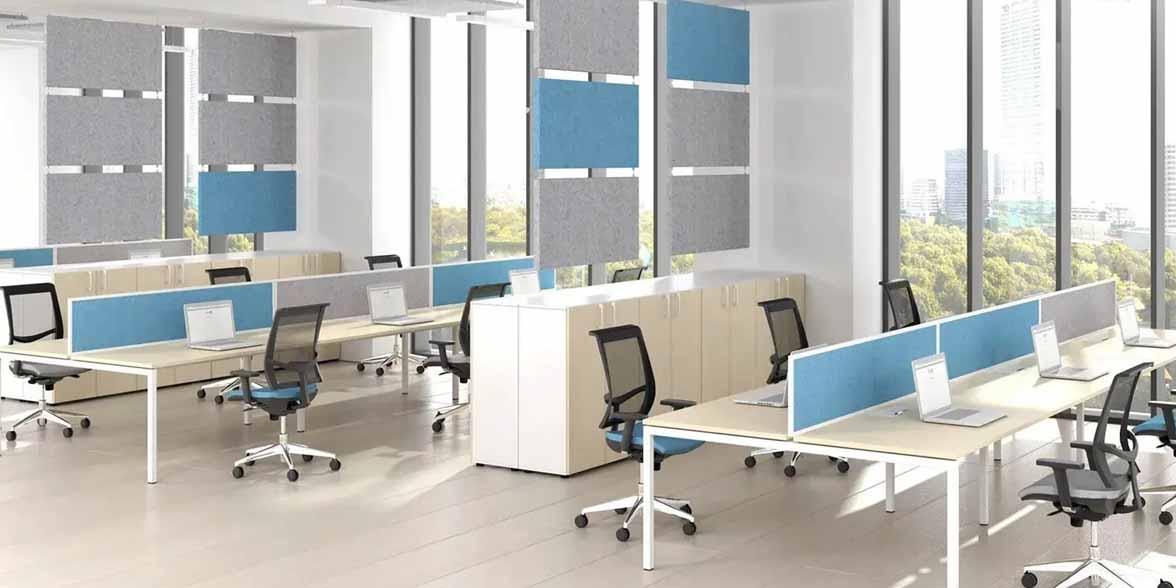
The word cubicle carries baggage from decades of uninspired office design. Rows of identical grey partitions, minimal natural light, no sense of individual space or team identity. That version of the cubicle is genuinely obsolete and has been for some time. Office Cubicle Manufacturers in Gurugram working at a serious level today produce workspace solutions that bear almost no resemblance to that outdated model. Modern cubicle systems use height-adjustable partitions that can create privacy without isolation. Materials have moved toward glass panels, acoustic fabric surfaces, and finishes that complement rather than flatten the overall office aesthetic. Integrated cable management, built-in storage, and ergonomic desk surfaces are standard features rather than expensive upgrades.
Storage Solutions That Keep Operations Running Smoothly
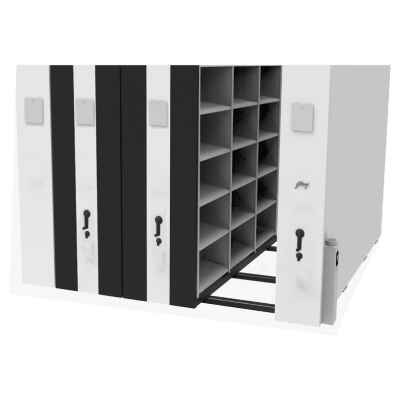
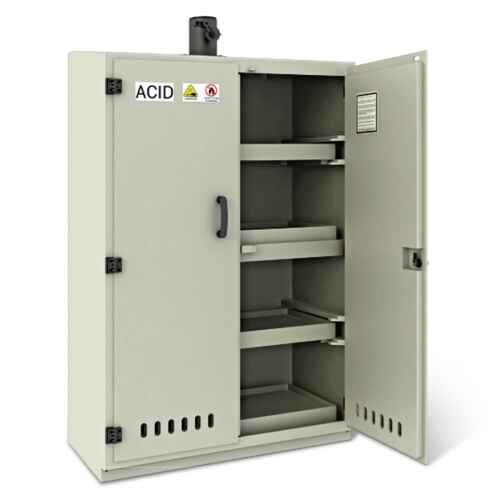
Storage is one of those workspace elements that gets underplanned almost universally. Businesses underestimate how much physical material needs to be stored, order insufficient storage solutions, and then spend years managing the clutter that results from that early miscalculation. Cantilever Racks Manufacturers in Noida supply storage systems that solve this problem at scale for warehouses, back offices, and industrial workspaces where standard office storage is simply not suited to the volume or weight of materials being handled. Proper industrial storage is not just about having enough space. It is about organising that space in a way that makes retrieval fast, reduces handling time, and keeps the workspace safe for the people moving through it regularly. The right storage infrastructure is as important to operational efficiency as the workstations where people spend their day.
Final Thoughts
An office that works well for the people in it does not happen by accident. It happens because someone made deliberate, informed decisions about how the space should function and what the people using it actually need. Good workspace furniture is not an overhead cost to be minimized. It is an investment in how effectively the business can operate every single day. The organizations that understand this early tend to build environments that attract better talent, retain the people they have, and create the kind of working conditions where good work actually gets done consistently.