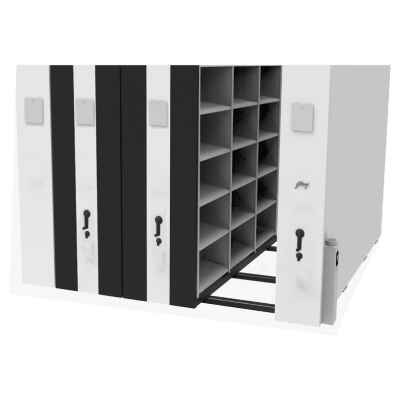
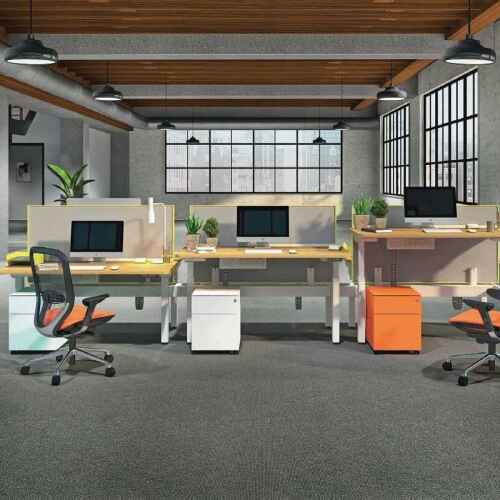
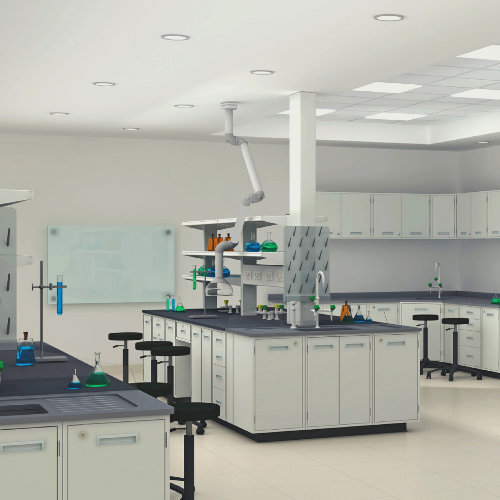
Most labs do not fail because of bad science. They fail because of bad workflow cramped benches awkward storage fume hoods placed in the wrong spot entirely. Good Laboratory Furniture Manufacturers, and Simplex Furniture is a name that comes up often here understand this better than most architects do. Get the layout right, and researchers barely notice the furniture at all. Get it wrong, and it shows up in slower work and near miss accidents. Nobody logs those incidents as a furniture problem but that is often exactly where they start.
Why Bench Height Isn't Just a Comfort Issue
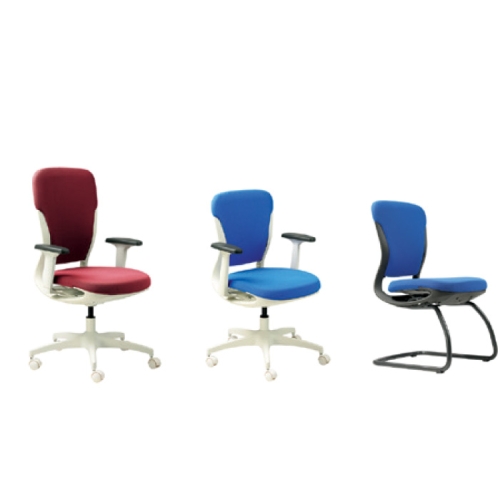
Ergonomics gets dismissed as a soft, secondary concern too often. It isn't, not once repetitive strain injuries start showing up in staff. A bench that's just two inches too high forces awkward posture for hours daily, every shift. Over months, that posture turns into real, documented health complaints. Good furniture design accounts for standing work, seated work, and everything in between. Skip this consideration, and productivity quietly drops without anyone quite knowing why. Staff just assume the work is harder than it should be.
Chemical Resistance Matters More Than the Finish Looks
A countertop can look fine and still fail under acid exposure. Cheap laminate surfaces stain, warp, or crack within a year of genuinely heavy use. Epoxy resin and phenolic resin surfaces handle chemical spills far more reliably. That resistance isn't cosmetic — it's what keeps a surface safe to work on. Facilities running frequent chemical work can't afford surfaces that degrade fast under daily use. The wrong material choice here turns into a replacement cost nobody budgeted for. That expense always seems to land at the worst possible time.
What Separates Genuinely Good Lab Furniture From the Rest
Plenty of suppliers sell furniture that looks the part in a catalog photo. Fewer actually understand how labs use that furniture daily. Here's what tends to separate the suppliers worth actually calling:
- Chemical-resistant work surfaces tested for real lab conditions
- Modular storage that adapts as lab needs change
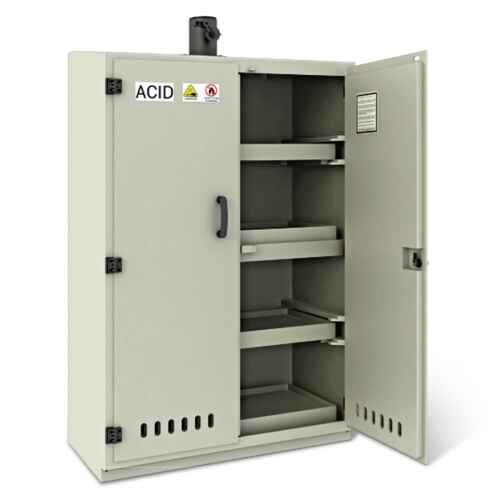
- Proper ventilation integration for fume hoods and cabinets
- Compliance with relevant safety, fire, and building codes
Skip this vetting, and you'll likely still get furniture. Just not the kind built to last through years of real lab use.
Why Being Nearby Changes Everything When Something Breaks
Distance matters more than people assume when equipment breaks down. Getting a replacement panel shipped across the country wastes valuable downtime. Facilities working with Laboratory Furniture Manufacturers in Noida often get faster turnaround on repairs, simply because the drive is shorter. That same advantage shows up on the other side of Delhi too. Teams sourcing from good ones tend to see quicker response times as well. A lab manager dealing with a broken drawer hinge on a Friday notices this kind of proximity immediately.
Signs a Supplier Actually Understands Lab Operations
Some suppliers just move furniture. One of the leading Laboratory Furniture Manufacturers in Gurugram understand what a lab day actually looks like. Watch for these signs when evaluating a potential partner:
- Willingness to walk the space before quoting anything
- Clear answers about weight limits and chemical compatibility
- A track record with labs similar in size and function
- Fast response when something needs urgent replacement
Suppliers who show up like this tend to prevent headaches long before they start.
Why Long-Term Vendor Relationships Beat One-Off Purchases
A single furniture order rarely builds real trust with a lab. That trust builds slowly, through consistent quality across renovations, expansions, and the occasional emergency fix. Labs that switch vendors constantly lose the context those vendors had built. A supplier familiar with your space saves everyone repeated explanation later. Established Laboratory Furniture Manufacturers tend to retain clients for exactly this reason. That history matters most when a lab suddenly needs to scale up fast. Starting from scratch with a brand-new vendor rarely goes as smoothly as anyone plans for.
Final Thoughts
A lab's real output depends on more than instruments and reagents. The space itself either supports good work or quietly gets in the way. Thoughtful furniture choices rarely make headlines, yet they shape daily outcomes. Getting this right early saves far more than it costs upfront, every single time.