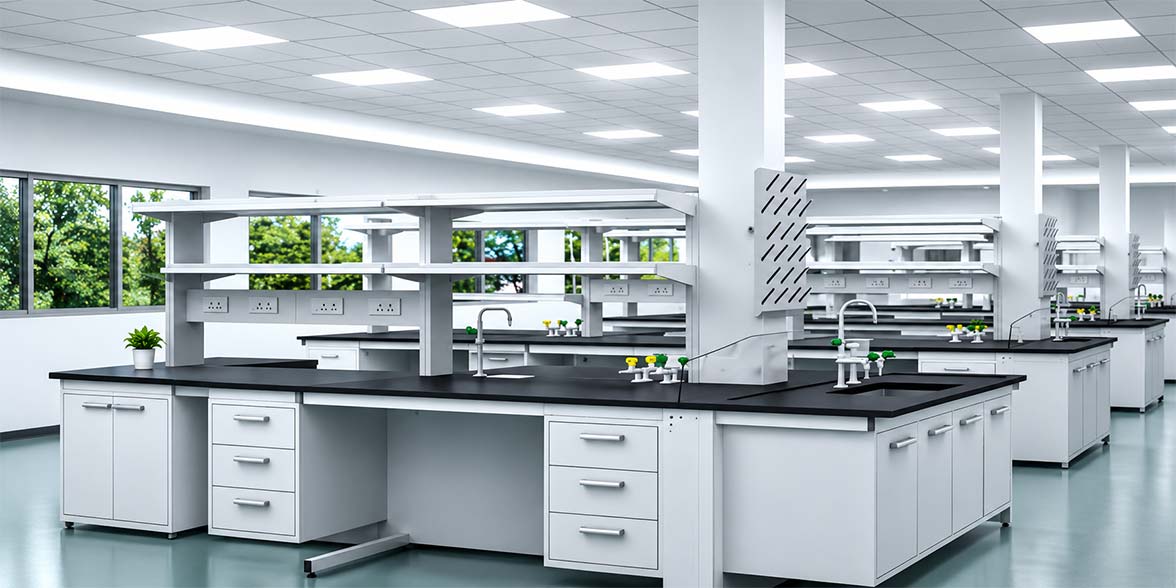
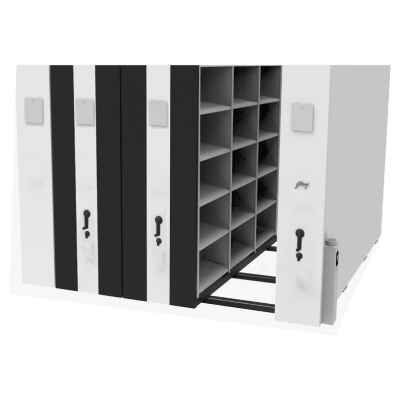
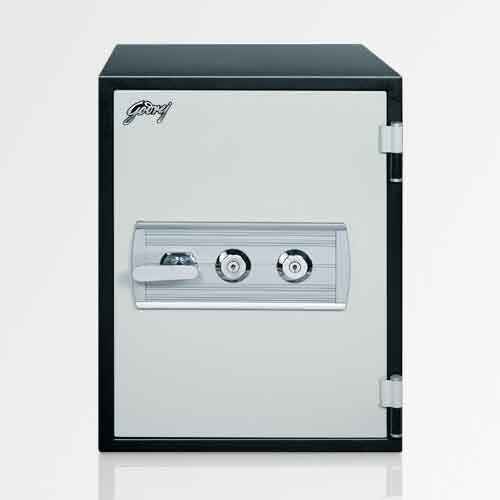
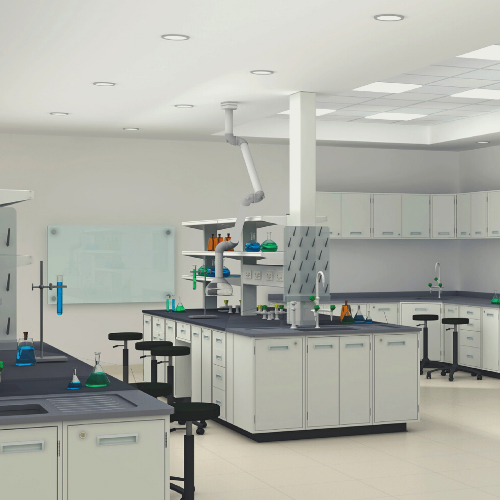
Putting standard office tables inside a working chemistry or pathology lab leads to ruined equipment and serious safety hazards within months. Harsh acids eat right through regular wood laminates, heavy testing machines bend thin metal legs, and chemical fumes build up around staff when air vents sit in the wrong spot. Over at specialized metal fabrication facilities like Simplex Furniture, shop engineers build heavy-duty laboratory benches and fume enclosures made specifically for corrosive rooms. Working directly with experienced Laboratory Furniture Manufacturers helps lab managers outfit testing floors with tough, non-reactive work surfaces that protect staff and expensive instruments every single day. Every bench frame goes through strict weight and surface coating checks on the shop floor before leaving the plant.
Choosing Chemical-Resistant Worktops That Handle Harsh Spills
A research bench is only as safe as its ability to handle spilled solvents, strong acids, and sudden heat from hot plates or burners. Cheap workshops try to pass off regular kitchen granite or thin plastic boards as lab tops, only to watch them stain, crack, or blister the first time sulfuric acid touches the surface. Real lab specialists install thick epoxy resin, solid phenolic boards, or marine-grade stainless steel tops tested under SEFA chemical resistance standards so harsh liquids wipe clean without leaving pits or burn marks.
Shop crews put raw worktop slabs and cabinet panels through practical everyday tests before cutting any bench layouts:
- Twenty-four-hour chemical spot tests check how worktops handle strong acids, alkalis, and solvents without blistering.
- Heat shock checks expose bench surfaces to extreme hot and cold swings so slabs never crack near heating mantles.
- Water absorption baths verify that cut sink edges stay completely sealed against moisture swelling.
Building Heavy-Duty Steel Frames That Hold Massive Instruments
Modern research labs pack heavy analytical instruments, centrifuges, and precision scales onto narrow bench rows where even slight floor shaking ruins test readings. When biotech hubs and testing centers expand across the corporate belt, facility heads look towards dependable Laboratory Furniture Manufacturers in Gurugram to aquitre rigid C-frame and H-frame steel structures that are designed especially to carry huge weights without wobbling. Fabricators weld thick cold-rolled steel tubing and coat every joint in chemical-resistant epoxy powder so rust never creeps into hidden corners.
Safe Fume Hoods and Ventilated Storage for Volatile Chemicals
Keeping toxic vapors and flammable liquids contained is the single most critical safety rule inside any active chemical or pharmaceutical lab. Poorly built fume hoods leak hazardous gases back into the room when glass sash windows open quickly, while unventilated metal cabinets trap dangerous fumes that can spark or rust hinges from the inside out.
Here is how proper lab safety engineering offered by Laboratory Furniture Manufacturers that keeps air clean and hazardous liquids locked down safely:
- Aerodynamic fume hood baffles pull heavy vapors smoothly toward exhaust ducts without creating dead air pockets.
- Self-closing doors on double-walled flammable cabinets keep volatile solvents away from heat sources.
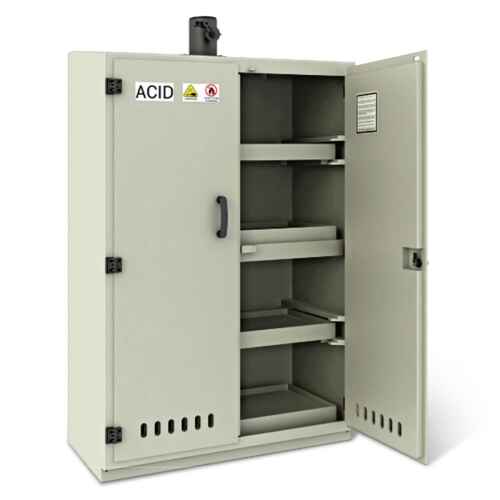
- Dedicated acid cabinets feature non-metallic polypropylene liners so that corrosive vapours never eat through metal hinges or latches.
Routeing of Gas, Vacuum and Water Lines Clean along service spines
Loose power cords and messy rubber gas hoses snaking across a wet lab bench pose dangerous tripping hazards and fire risks during sensitive experiments. Pharma plants and industrial research centers setting up new testing wings often partner with established Laboratory Furniture Manufacturers in Noida to build overhead service booms and central island spines that house brass gas valves, purified water taps and protected power sockets safely above the work zone. Keeping utility lines organized inside accessible metal raceways also lets maintenance technicians inspect or repair valves without tearing down entire bench rows.
Rounded Edges, Earthing, and Emergency Wash Stations
Small physical details around the workbench prevent painful lab accidents when researchers are moving fast with glass beakers and sample trays. Responsible fabricators smooth and round every steel corner, fit raised marine edges around worktops to stop spilled liquids from dripping onto shoes, and ground all metal frames to prevent static sparks near flammable solvents. Working closely with reliable Laboratory Furniture Manufacturers in Gurugram ensures that emergency eye-wash stations, safety showers and anti vibration balance tables sit right where safety codes require them.
On-Site Leveling, Duct Hookups, and Final Safety Commissioning
Setting up a functional research lab takes careful floor alignment because even a slight tilt on a benchtop throws off sensitive digital scales and liquid-handling instruments. Experienced installation teams like Simplex Furniture bolt modular frames together cleanly, adjust heavy-duty leveling feet on uneven lab tiles and test fume hood airflow speeds before handing over the space.
Here is a quick look at the final safety checks every lab installation clears before researchers move in:
- Airflow meters measure wind speed across open fume hood sashes to verify safe vapor capture.
- Electrical testers confirm that every steel cabinet and frame is properly grounded against the static buildup.
- Water pressure checks test lab sink traps and gas valves to guarantee zero leaks under full working pressure.